


Choosing a fence takes on a different set of priorities when pets are part of the equation. Height, spacing, and material all affect how well a fence actually keeps a dog safely contained, and the right choice often depends on your dog’s size, energy level, and habits.
A fence that looks great and holds up well structurally isn’t necessarily the right fit for every dog. A determined digger, a skilled jumper, and a dog that reacts to every passerby all have different needs, and understanding those differences up front can save a lot of frustration compared to discovering a weak point after the fact.
This guide compares some of the most popular fencing materials from a pet owner’s perspective, covering what to look for, how different materials compare, and which options tend to work best for different situations.
What Matters Most When Fencing for Dogs
Before comparing specific materials, it helps to think through a few universal factors that affect how well any fence works for containing a dog.
Height
Larger or more athletic dogs may be able to jump higher than expected, so it’s worth choosing a height that accounts for your dog’s specific abilities rather than a standard minimum. Four feet is often enough for smaller, less active dogs, while larger or more energetic breeds may do better with a five or six-foot fence. It’s also worth observing how your dog reacts to the current fence, if you have one, since a dog that regularly jumps at a four-foot fence is a clear sign a taller option is worth the investment.
Picket Spacing and Gaps
Gaps at the bottom of a fence or wide spacing between pickets can be an escape route for smaller dogs. Checking spacing at both the top and bottom of a fence design helps prevent squeezing through, especially for narrow or small-bodied breeds. Even a gap that looks too small to matter can sometimes be enough for a determined small dog to work through over time.
Digging Behavior
Some dogs are prone to digging under a fence line, which is worth considering regardless of the material chosen above ground. Burying wire mesh along the base of a fence or adding a buried barrier can help address this behavior for dogs known to dig, and it’s generally easier to build this protection in from the start than to retrofit it after a fence is already installed.
Comparing Fence Materials for Dog Owners

Wood Privacy Fencing
A solid wood privacy fence blocks sightlines completely, which can help reduce barking triggered by seeing people, other animals, or passing cars. Board-on-board styles are particularly effective, since they eliminate the small gaps that a standard picket design might leave. The main consideration with wood is checking for any gaps at the base where a determined dog might try to dig or squeeze through, particularly as the fence ages and boards may shift slightly over time.
Vinyl Fencing
Similar to wood in terms of privacy and containment, vinyl fencing offers solid panels without the risk of splintering, which can be a safety consideration for dogs that chew or rub against a fence line. Vinyl’s durability also means less risk of a dog pushing through a weakened or rotting section over time, since the material doesn’t degrade the way wood can with age and moisture exposure.
Metal and Aluminum Fencing
Open picket designs in metal or aluminum fencing allow dogs to see through the fence, which some owners prefer for keeping an eye on their pets from inside the home. For dogs prone to barking at everything they see, though, a more open design may actually increase reactivity compared to a solid privacy fence. Picket spacing is especially important here, since narrower gaps prevent smaller dogs from squeezing through, and it’s worth discussing specific spacing options if you have a smaller breed.
Chain Link Fencing
A budget-friendly and durable option, chain link fencing is a common choice for dog runs or larger containment areas. It holds up well against scratching and rough play, though like open metal designs, the visibility through the fence can contribute to barking or reactivity for some dogs. Taller heights are often recommended for larger or more athletic breeds when using chain link, since the open weave design can sometimes be climbed by especially determined or agile dogs.
How Fence Choice Can Affect Behavior
Beyond containment, fence choice can influence how a dog behaves day to day in the yard. Dogs that can see through a fence, whether it’s metal, aluminum, or chain link, often react more to passing people, animals, or vehicles than dogs behind a solid privacy fence. For dogs with a tendency toward territorial barking or fence-running, a solid privacy option can sometimes reduce that behavior simply by removing the visual trigger.
On the other hand, some dogs do fine with an open view and actually seem more relaxed being able to see what’s happening around them rather than being fully enclosed. There’s no universal right answer here, and it often comes down to observing your own dog’s temperament and adjusting accordingly. If you’re unsure, it can help to think about how your dog currently reacts to visible activity outside a window or an existing fence before committing to a fully open or fully solid design.
Special Considerations for Multi-Dog Households
Homes with more than one dog, or a mix of small and large breeds, often need to plan around the needs of the most challenging pet in the household. If one dog is a determined digger and another is a skilled jumper, the fence design needs to account for both behaviors rather than optimizing for just one. Trying to find a single compromise solution can sometimes leave gaps in coverage for one dog’s specific tendencies.
In these situations, combining strategies, such as a taller fence height paired with a buried barrier along the base, tends to work better than relying on a single feature to address every potential escape method. It’s also worth considering a smaller, secondary enclosure or dog run in cases where a full-yard fence isn’t practical for every dog’s specific needs, particularly if one dog needs more supervised time outside than the others.
Gates and Access Points for Pet Safety
Gate design matters just as much as the fence itself when it comes to pet containment. Self-latching gates help prevent a gate from being left open accidentally, which is one of the most common ways dogs end up escaping a fenced yard. For households that use the yard frequently throughout the day, this small feature can make a meaningful difference in overall security, especially in busy households with kids or frequent visitors who might not always remember to latch a gate securely.
For homes considering automated gate options, it’s worth confirming that safety sensors won’t be triggered or confused by a pet moving through the gate’s path, and that any automated system includes a reliable manual backup in case of a malfunction or power outage. This is especially relevant for driveway gates that dogs might have access to if they’re loose in the yard when the gate cycles open or closed.
Maintaining a Pet-Friendly Fence Over Time
Regular inspection matters more for pet owners than for many other homeowners, simply because a small gap or weak spot that wouldn’t matter otherwise can become an escape route. Checking for loose boards, gaps that have developed over time, or areas where a dog has started digging helps catch problems before they lead to an actual escape. It’s worth paying particular attention to corners and gate areas, since these spots tend to see the most repeated stress from a dog testing the boundaries of the yard.
Seasonal changes can also affect how well a fence holds up for pet containment. Frozen or thawing ground in the spring can loosen posts that were previously secure, and a fence that seemed solid all summer might develop new weak points once the weather shifts. Building a quick fence check into a regular seasonal routine, alongside other yard maintenance, helps catch these changes before they become a problem.
Our team offers fence repair and maintenance services to help address these issues quickly, whether that’s reinforcing a section a dog has been testing or repairing general wear and tear that develops over time. Catching a weak spot early is almost always a simpler, less costly fix than dealing with the aftermath of an actual escape.
Quick Checklist for Choosing a Dog-Friendly Fence
Before finalizing your fence choice, consider the following:
- Choose a height appropriate for your dog’s size and jumping ability
- Check picket spacing to prevent smaller dogs from squeezing through
- Consider a buried barrier if your dog is a known digger
- Decide whether a solid or open design better suits your dog’s temperament
- Choose self-latching gates to prevent accidental openings
- Plan for multiple dogs’ needs if your household has more than one pet
Taking the time to think through these details ahead of installation helps ensure your fence actually does the job you need it to do, keeping your dogs safely contained while still fitting the overall look you want for your property.
Ready to Plan a Fence That Works for Your Dogs?
Our team works with homeowners throughout Fort Wayne, Columbia City, Auburn, Decatur, and Huntington to design fencing that fits both their property and their pets’ specific needs. Whether you need a solid privacy fence, a secure dog run, or help reinforcing an existing fence line, we’re happy to talk through the options that make the most sense for your household and the dogs who call it home.
If you’re ready to move forward, request a free estimate today and let’s find the right fencing solution for your dogs and your property.
Ready to Get Started? Get a Free Estimate Today!
Inspired to upgrade your property? As a locally owned team based in Fort Wayne, Pinnacle Fence is ready to deliver durable craftsmanship and thoughtful solutions for your fencing or gate project. Contact us for a free, no-obligation estimate and let’s get started with a solution built to last.
Like this article? Spread the word!
Related Posts
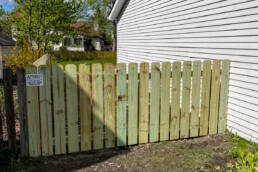
How Much Does It Cost to Install a Fence in Indiana?
Wondering what a new fence costs in Indiana? Pinnacle Fence breaks down pricing by…
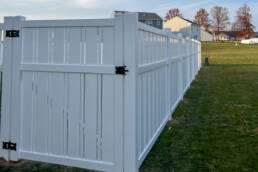
How to Prepare Your Fence for Winter in Northeast Indiana
Get your fence winter-ready with tips from Pinnacle Fence. Serving Decatur, IN and…
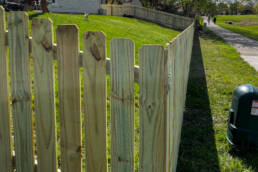
Pinnacle Fence: Fence Repair & Maintenance Tips for Homeowners in Huntington, IN
Discover expert fence repair and maintenance tips for homeowners in Huntington, IN.…