


One of the first questions most homeowners have when planning a new fence is simple: how much is this going to cost? The honest answer is that it depends on several factors, but understanding what actually drives fencing costs can help you plan a realistic budget before you start requesting estimates.
Fence pricing varies more than many homeowners expect, and generic online averages often don’t reflect the specific conditions of an individual property. Two homes on the same street can end up with very different quotes depending on material choice, layout, and site conditions, which is why it helps to understand the underlying factors rather than relying on a single number.
This guide walks through the main factors that affect fence installation costs in Indiana, how different materials compare, what additional costs to plan for, and a few practical ways to manage your overall budget.
Main Factors That Affect Fence Installation Cost
While every property is different, a handful of factors consistently drive fencing costs up or down. Understanding each one can help you anticipate where your specific project might land within a typical price range before you even reach out for a quote.
Material Choice
Material is usually the biggest factor in overall cost. Chain link tends to be the most budget-friendly option, while wood, vinyl, and metal or aluminum fencing generally cost more, with specialty or custom designs sitting at the higher end of the range. The right material often comes down to balancing your budget against how much privacy, durability, and maintenance you’re willing to take on.
Fence Length
The total linear footage of fencing needed has a direct impact on material and labor costs. Larger properties or those with a longer perimeter will naturally cost more than a smaller, more compact yard, regardless of material choice. Some homeowners choose to fence only part of their property, such as a backyard, rather than the full perimeter, which can significantly reduce the total project cost.
Height and Style
Taller fences require more material and additional structural support, which increases cost compared to a standard-height fence. Decorative styles, custom patterns, or added features like lattice tops also add to the overall price, since they typically require more detailed labor and sometimes specialty materials.
Site Conditions
Sloped yards, rocky or difficult soil, and properties with existing landscaping or obstacles near the fence line can all increase installation complexity and labor time, which affects the final cost. Properties requiring extra excavation or specialized post-setting techniques for unusual ground conditions should expect this to be reflected in the estimate.
Gates and Access Points
Each additional gate adds to the cost of a project, and the price varies depending on whether it’s a simple walk-through gate or a wider gate designed for vehicles. Adding automated gate features increases the cost further but adds convenience and security in return, and it’s often more cost-effective to plan for automation from the start than to add it to an existing gate later.
Comparing Costs Across Popular Fence Materials

Understanding the general cost differences between materials can help narrow down your options before requesting a detailed estimate. Keep in mind that these are general comparisons, and factors like style, height, and site conditions can shift where a specific project lands within each material’s typical range.
Chain Link
Chain link is typically the most affordable option per linear foot, making it a popular choice for larger properties, agricultural boundaries, or budget-conscious projects where security and containment matter more than privacy or decorative appeal. It also tends to have a long lifespan with minimal maintenance, which helps keep long-term costs low. Learn more about chain link fencing options.
Wood
Wood fencing sits in the mid-range for cost, with pricing varying based on the specific style and board pattern chosen. It offers strong privacy and a classic look, though ongoing maintenance, such as periodic sealing or staining, should be factored into the long-term cost beyond the initial installation price. Explore wood fence installation options for more detail.
Vinyl
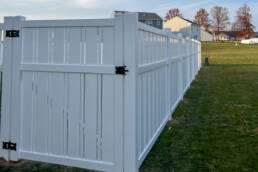
Vinyl fencing generally costs more upfront than wood but requires significantly less maintenance over time, which can even out the total cost of ownership over the life of the fence. For homeowners planning to stay in their home for many years, that lower maintenance burden often makes vinyl a worthwhile investment despite the higher initial price. See more about vinyl fencing for your property.
Metal and Aluminum
Metal and aluminum fencing costs vary based on style and detail level, from simple picket designs to more ornamental options. It offers excellent durability and low maintenance, making it a strong long-term value despite a higher initial cost, particularly for homeowners who want an open, decorative look that still holds up well against Indiana’s weather. Learn more about metal fence installation.
Specialty and Custom
Custom designs, mixed materials, and decorative accents typically represent the highest end of the cost range, since they involve more detailed craftsmanship and often combine multiple materials. While the upfront investment is higher, custom fencing can solve specific problems, like an unusual lot shape or a desired architectural style, that a standard fence simply can’t address. Explore specialty and custom fencing options if a standard style doesn’t fit your property.
Additional Costs to Budget For
Beyond the fence itself, there are a few other costs worth planning for as part of your overall budget. These are easy to overlook when comparing initial quotes, but they can meaningfully affect the total project cost.
- Permits: Depending on your city or township, a permit may be required before installation begins, which can add a small fee to your overall project cost. Requirements vary by location, so it’s worth checking early in the planning process.
- Property surveys: If your property lines aren’t clearly marked, a survey may be worth the investment to avoid boundary disputes down the road, particularly on properties where an older fence may not have been installed exactly on the property line.
- Old fence removal: If you’re replacing an existing fence, removal and disposal of the old materials adds to the overall project scope, both in terms of labor and disposal fees.
- Landscaping adjustments: Grading, tree removal, or other landscaping work near the fence line can add to the total project cost, especially if the new fence line differs from where the old one was located.
None of these additional costs necessarily apply to every project, but it’s worth asking about each one when discussing your estimate so there are no surprises once the work is scheduled. A contractor familiar with local permit requirements and typical property conditions in the area can usually flag these details early in the conversation.
Ways to Manage Your Fence Installation Budget
If cost is a primary concern, there are a few practical ways to keep a project within budget without sacrificing quality. Choosing a more economical material for less visible sections of the property, such as a side or back yard, while investing in a more decorative style for the front, is one common approach that balances curb appeal with overall cost.
Scaling back on decorative extras, like ornamental toppers or custom gate designs, can also reduce costs while still delivering a functional, attractive fence. Phasing a larger project over more than one season is another option some homeowners consider, tackling the most important section first and completing the rest later as budget allows. For larger projects, looking into flexible financing options can help spread the cost out in a way that fits more comfortably into a monthly budget rather than a single upfront payment.
It’s also worth getting more than one estimate before committing to a project, since pricing can vary based on a contractor’s specific approach, materials, and experience with your particular property type. A detailed, itemized estimate makes it much easier to compare quotes accurately than a single rough total.
Quick Cost-Planning Checklist
Before requesting estimates, it helps to have a few details ready. Coming prepared with this information tends to speed up the estimating process and leads to a more accurate quote from the start.
- Know your property’s approximate perimeter or the specific area you want fenced
- Decide on a material based on your privacy, durability, and budget priorities
- Determine how many gates you’ll need and where they should go
- Check whether a permit or property survey will be needed for your project
- Note any site conditions, like slopes or landscaping, that might affect installation
- Ask about financing options if spreading out the cost would help
Having these details ready ahead of time makes it easier to get an accurate, apples-to-apples comparison when requesting quotes from different contractors, and it helps avoid surprises once a project is already underway.
Ready to Get a Clear Estimate for Your Project?
The best way to understand exactly what your fence project will cost is to get a detailed, itemized estimate based on your specific property, material preferences, and layout. Our team serves homeowners and businesses throughout Fort Wayne, Columbia City, Auburn, Decatur, and Huntington, and we’re happy to walk through your options and provide a clear picture of what to expect before any work begins. We take the time to explain exactly what’s included in every estimate so there are no surprises once the project is underway.
If you’re ready to get started, request a free estimate today and let’s talk through what makes sense for your property and your budget.
Ready to Get Started? Get a Free Estimate Today!
Inspired to upgrade your property? As a locally owned team based in Fort Wayne, Pinnacle Fence is ready to deliver durable craftsmanship and thoughtful solutions for your fencing or gate project. Contact us for a free, no-obligation estimate and let’s get started with a solution built to last.
Like this article? Spread the word!
Related Posts

The Best Fence Types for Dog Owners: A Comparison Guide
Choosing a fence for your dog? Pinnacle Fence compares wood, vinyl, metal, and chain link…
How to Prepare Your Fence for Winter in Northeast Indiana
Get your fence winter-ready with tips from Pinnacle Fence. Serving Decatur, IN and…

Pinnacle Fence: Fence Repair & Maintenance Tips for Homeowners in Huntington, IN
Discover expert fence repair and maintenance tips for homeowners in Huntington, IN.…